
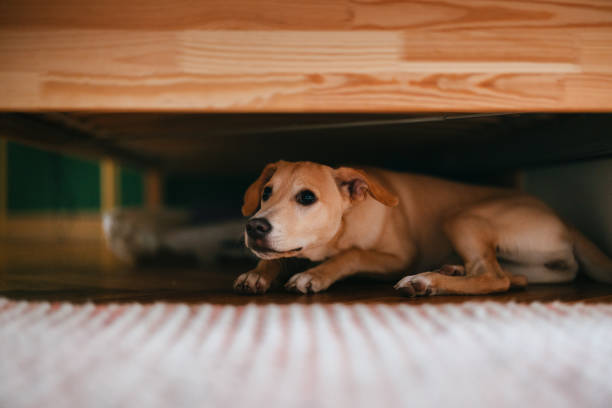
Hello, all, and thank you for joining me yet again! As I spend time on social media, scrolling TikTok and Instagram, I see a disconcerting amount of people who do not understand or just blatantly ignore their dog’s body language.
While dog behavior and body language can be incredibly subtle, understanding and respecting a dog’s body language is crucial to building a strong relationship between any human and canine.
In this post, I intend to cover the most common displays of canine body language and communication, and how to better understand them.
Introduction to Dog Body Language
There are several subtypes used to categorize dog body language, including:
-Nervousness and Stress: Signs of distress, discomfort, or nervousness in a situation or in response to a stimulus
-Appeasement and Deference: Behaviors displayed to avoid or deescalate conflict between the dog and human/other dog.
-Curious and Expectant: Behaviors displayed when a dog is unsure but curious, and anticipating what happens next.
-Displacement and Regulatory: These behaviors are performed as self soothing and regulating behaviors, often considered a peaceful sign.
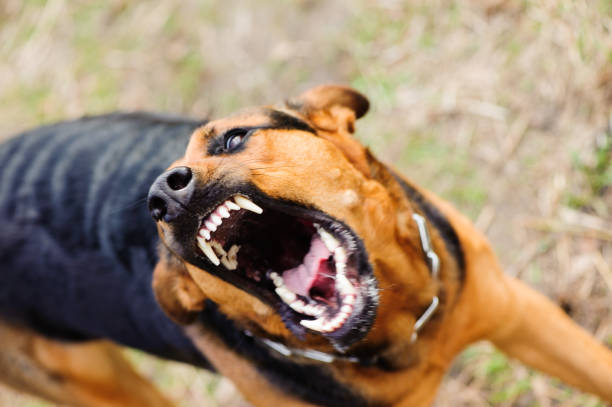
-Offensive and Defensive: Defensive behaviors are used to communicate a lack of comfortability in a situation. These can escalate to Offensive behaviors which are behaviors that are considering antagonizing or harmful, such as fighting.
-Relaxed and Comfortable: These are behaviors displayed or performed when a dog is fully comfortable with their environment and/or the people/animals around them.
I will also go over the various tail positions and what they may mean when coupled with other displayed behaviors.
Nervousness and Stress
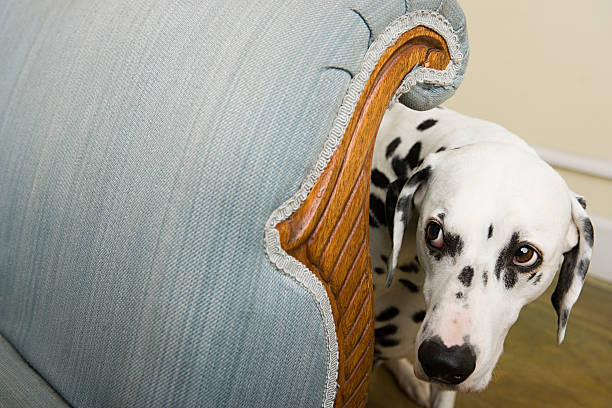
There are a multitude of behaviors and signs a dog can display when they are uncomfortable or stressed by a stimulus. When a dog displays these signs, it is important to remove the stimulus that is pushing them towards a stress reaction.
Some of the behaviors that a dog may exhibit include:
-Lip licking/tongue flicks: a dog doing small flicks of their tongue or licking their lips may be hungry, but if no food is involved, it is more than likely stress.
-Brief body tensing: the muscles/body tense or freeze for a moment before returning to normal. A dog may do this while being sniffed by a new dog for the first time.
-Body tensing: the muscles/body tense or freeze and remain rigid for clusters of time, some dogs may “pancake” to the floor (flatten their body against the floor/ground.)
-Whale eye: when a dog turns their head away from a stressor, but keeps their eye on the perceived threat. It is called whale eye because the whites of the eyes become very visible as the dog looks out of the side of the eyes.
-Ears flattened/pinned: ears are flattened to the back of the head
-Lowered body/hunched posture: dogs may “crawl” closer to the ground, or hold a hunched posture when uncomfortable/stressed.
-Tense jaw: the muscles in the jaw tense or twitch.
-Hugging: a dog may jump up and wrap their front legs around their owner/handler in a “hug” as a comfort seeking behavior during times of stress.
Low/tucked tail: tail is hanging between the back legs in a down position, or tail is completely tucked to undercarriage.
Low tail, small wags: a low/tucked tail with a small wag at the end of the tail
Raspy panting/breathing: The stress hormone cortisol reduces saliva production in a dog’s body when under distress, this can lead to hoarse, raspy sounding panting or breathing.
Shaking: the dog’s muscles are twitching from fear, causing the body to “shake”
Shake off: not to be confused, the shake off is like a ‘deep breath’ after a moment of stress, similar to how a dog shakes off after a bath.
These signs can signal to an owner or handler that their canine companion is feeling unsure of or uncomfortable with the situation, and it is important to monitor the behavior for escalation.
Appeasement and Deference:
Appeasement behaviors are displayed to deescalate or avoid conflict between the dog and the perceived threat. Think conflict management strategies for people. Deference is used to reference the moment of focus/understanding between dog and dog or dog and human.
Some behaviors which fall under appeasement and deference include:
-Lowering the head: a dog may lower their head to another dog or human to show they are not a threat, and that there is no need for conflict.
-Head turn: a dog may also turn their head to deescalate a conflict
-Avoiding eye contact: a dog may avoid eye contact with the subject to show they are uninterested in conflict.
-Licking the animal/person: the dog may lick the other animal or human as a sign of peace and disinterest in conflict.
-Submissive grin: a dog may pull their gums back and show their teeth in a submissive grin. This is usually accompanied by wiggly, loose body language and is NOT an aggressive behavior.
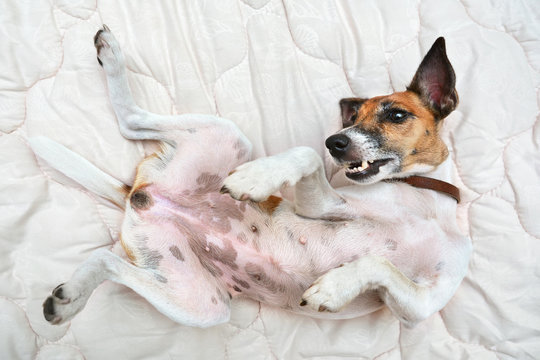
-Showing belly/rolling over: a dog may roll over or show their belly to show they are not a threat
Many of these behaviors are seen in dog to dog interactions, and are a way of communicating that the dog is friendly and does not want conflict.
Curious and Expectant
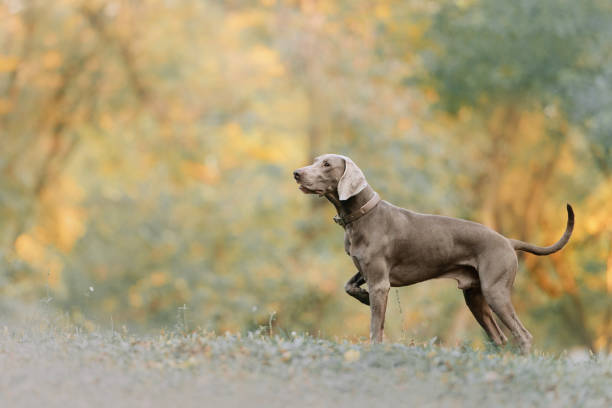
Curious and expectant behaviors are behaviors a dog might exhibit when unsure of a situation, and are trying to anticipate what happens next. This is often times seen in dog-to-dog introductions when both dogs aren’t necessarily uncomfortable but they aren’t comfortable yet either.
These behaviors can include:
-Head cocked + ears forward: this shows the dog is engaged in the situation and alert to the stimulus, but they are still trying to decide their comfortability level. Often times this is seen in play when dogs have playful “stare downs.”
-Paw lifted off ground: Some dogs may lift a paw off the ground as they observe a situation, this can often be seen in play as well.
-Stiff/straight tail: some dog’s tails may stiffen and straighten as they focus in on a stimulus they are unsure of
It is important to remember that while this can look a little weird or stand-offish, it is just your dog trying to observe and learn about a situation. Much of this behavior is seen in play between dogs as well.
Displacement and Regulatory

Displacement behaviors are behaviors performed as a form of self soothing or self regulation. Often times these are used in play to show another dog or a human that all their actions are friendly and playful.
This can include:
-Sneezing: don’t worry, it’s probably not a cold! Dogs will sneeze as a way to “brush off” stress or even communicate friendliness.
-Shake off: the shake off is often used by dogs to help them regulate themselves and return to a calm state after a stressful or high energy situation.
-Yawning: a dog may yawn as a form of self regulation or decompression after a stressful or high energy situation.
These behaviors are like a dog’s version of a “deep breath” after a stressful situation or even just a high energy event. It is crucial that a dog is given the opportunity to destress with these behaviors after any form of high energy situation.
Defensive and Offensive
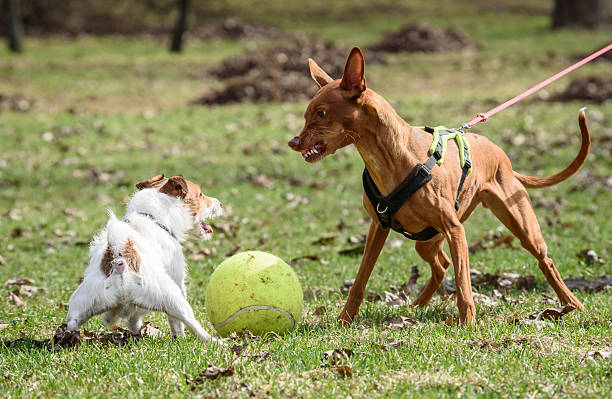
The goal of a dog who shows defensive body language or defensive aggression is to put distance between themselves and the perceived threat. This is usually in response to a dog performing offensive behaviors or exhibiting offensive aggression.
Offensive aggression or body language is typically described as aggression occurring without provocation or other antagonistic behavior.
| OFFENSIVE behavior | DEFENSIVE behavior |
| Lean forward to appear larger | Crouch/Lower body |
| Raise a paw or sort of “point” | Tucked/lowered tail |
| Stiffen limbs/muscles to appear larger | Flattened/Pinned ears |
| Raise hackles | Growling |
| Curl Lips/Show teeth | Tightened lips and flicking tongue |
| Bark/growl at target | CAN become DEFENSIVE AGGRESSION |
| Hard stare or fixate on target | Lowering body and showing teeth/growling |
| Deeper bite (intent to harm) | Air snap (warning) |
| Bite + Hold (intent to hold on) | Skin snap + release (warning) |
| Bite + Hold + Shake (intent to kill) |
A dog who is exhibiting defensive behaviors can escalate to offensive aggression if they are pushed over threshold by the perceived threat. When interactions such as this occur during do to dog play, it is important to intervene so the victim dog can regulate themselves.
Relaxed and Comfortable
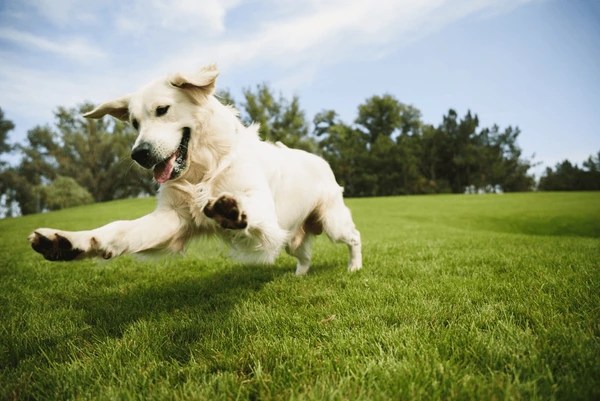
When a dog is relaxed and comfortable with the situation they are in, their body language will communicate that. There are a wide array of behaviors, every dog is different and may display alternating combinations of behaviors.
These behaviors can include:
-Mouth slightly open/tongue relaxed: this can signal a dog is relaxed and comfortable with the stimulus/environment
-Presenting belly for rubs: a dog presenting their belly following pets of the head/neck/back/etc. is a sign of openness and desire to interact and connect.
-Relaxed face, neutral ears or ears that are slightly back: eyes are not straining to watch a threat, ears are relaxed and not scanning for sounds that indicate a threat, lips are loose and not pulled back.
-Squinty, blinky eyes: this can be a strong indicator a dog is comfortable, the eyes are squinty/sleepy and not on the look out for potential threats.
-Wiggly, loose body: a lack of tension in the muscles, and a wiggly, loose composure indicates a dog who is friendly, excited, and eager to interact.
-Play bow/playful behavior: playful behavior of any kind is indicative of a sense of comfortability and safety in the environment.
These behaviors are a sign that an owner is creating and upholding a comfortable and consistent environment for their dog, as well as a sign of a dog who is confident in their space.
Tail Positions and Their Meanings
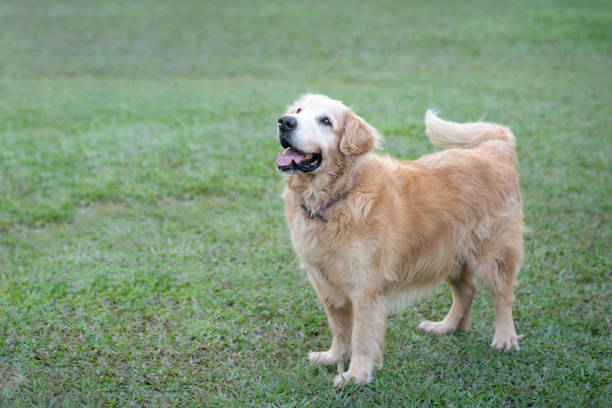
When it comes down to determining the type of body language you may be observing, tail positions are a helpful tool in understanding what the dog may be trying to communicate.
It is important to remember that a wagging tail does not always indicate friendliness, it can mean a multitude of other things when accompanied by any of the other behaviors or signs mentioned in this article.
There are also a plethora of ways a dog can wag their tail. Are they wagging slowly? Is the tail tucked as they wag? What are their ears doing? All of these are important questions to ask before assuming the wagging tail is a sign of openness.
A dog’s tail may fall in any of the following positions given the situation and the individual dog:
-Tail high: This generally signals a confident dog.
-Tail low/tucked: This signals a nervous dog or a dog with a lack of confidence in the situation. This can also be accompanied by a slow, unsure tail wag between the legs/under the body.
-Tail high + stiff tail wags: This can indicate uncertainty in a situation. It is not necessarily a sign of stress, but it is not a sign of comfort either.
-Tail extended + curved upwards: This is indicative of a dog who is tense and ready to take offensive action if provoked.
If a dog is wagging their tail in line with their body in a side-to-side motion, or in a circular motion, this is a friendly wag that is indicative of a dog who is willing or eager to engage.
There is also some research published through the National Institutes of Health (NIH) that suggests brain lateralization in dogs. Dogs tend to exhibit a right-side wagging bias, which is determined by left hemisphere activation, for stimuli that have a positive emotional valence (such as their owner, a familiar dog, etc.)
Pop Quiz!
Want to fully test your knowledge? Check out these Dog Body Language Flashcards on Quizlet and share your score!
https://quizlet.com/ca/93682363/dog-body-language-flash-cards/
The subtle yet impactful ways dogs communicate can be difficult to navigate as a human, but when you learn to slow down, listen, watch, and understand, it makes a huge difference in not only your confidence as a handler, but in your dog’s trust in you.
Thank you all for joining me for another post, I hope this article can help shed some light on some of the more subtle nuances of dog body language, or at least provide an interesting read.
Have a good morning, afternoon, or evening… Oh, and pet your dog for me.
References:
 The Dog Trainer's Den
Leave a comment